
About solitary bees
€0
Unlike honeybees, solitary bees do not live in colonies and since they do not have a colony to protect they have not developed a poisonous sting,
- Free delivery for purchases over 60€ with DHL Parcel Connect
- Delivery within 3-5 working days
- 14 day return policy
- Customer services open weekdays 8:30-17:00 | +46 (0)431 76800 | info@wildlifegarden.se
- 20 years' expertise in designing, producing and delivering artisanal homeware.
Description
Superfamily: Bee
Did you know that
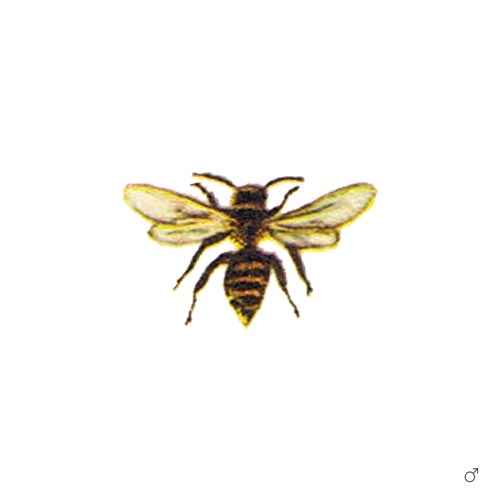
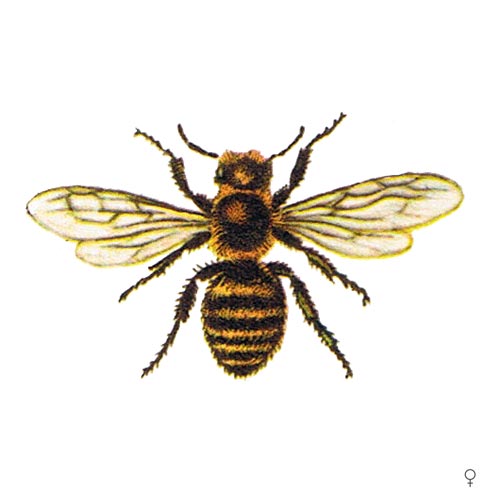
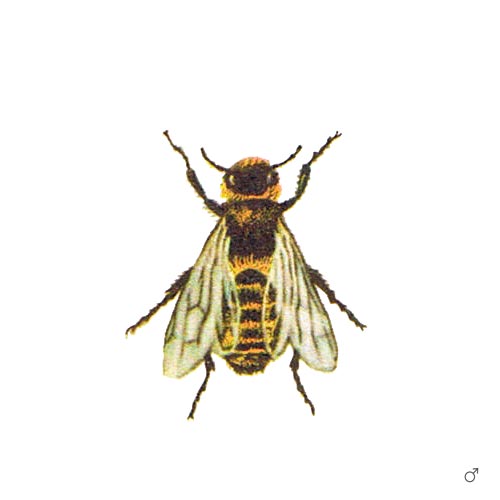
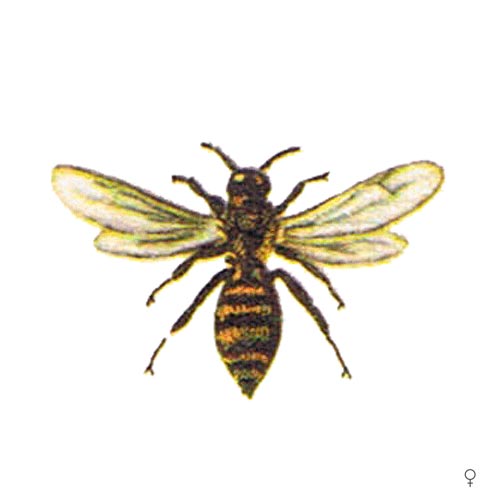
unlike honeybees, solitary bees do not live in colonies and since they do not have a colony to protect they have not developed a poisonous sting, making solitary bees one of the kindest members of the bee family! Solitary bee is the name given to a group of several species that do not produce honey or live in a colony and includes mason bees, yellow-faced bees, leafcutter bees, hairy-footed bees and wool carder bees. Every female is fertile unlike social bees that share colonies.
Did you know that
unlike honeybees, solitary bees do not live in colonies and since they do not have a colony to protect they have not developed a poisonous sting, making solitary bees one of the kindest members of the bee family! Solitary bee is the name given to a group of several species that do not produce honey or live in a colony and includes mason bees, yellow-faced bees, leafcutter bees, hairy-footed bees and wool carder bees. Every female is fertile unlike social bees that share colonies.