
British Butterflies
Butterfly school
10 articles



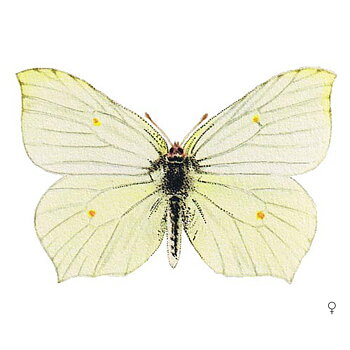
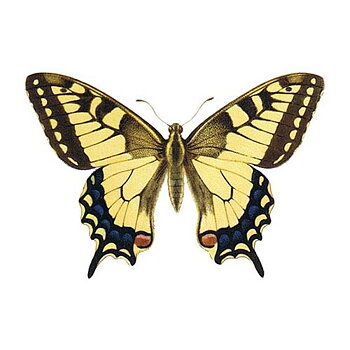
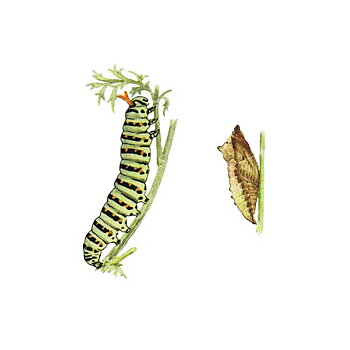

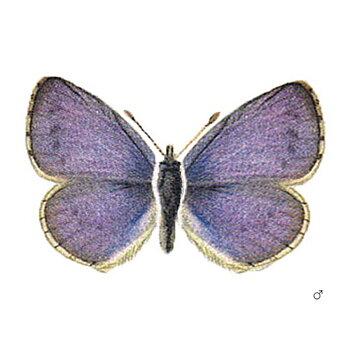
Butterflies in the garden
Childhood summer memories are often associated with lavender bushes and flowers with a variety of pretty, colourful butterflies chasing each other from one flower to another. Wouldn’t it be inspiring to recreate this environment full of life and happiness? Unfortunately, the number of daytime butterflies has decreased markedly in the past decades, which are a primary result of rationalising and the use of chemicals within agriculture and forestry. You can break the trend by making some simple alterations in your garden.The butterfly nest
With a butterfly nest and nectar in your garden you won’t only attract butterflies, but also provide them with a shield where they can protect themselves from rain, wind and cold. The primary function of the nest is as a shelter for hibernating butterflies. You can place it alongside an outhouse, where the small tortoiseshell and peacock can find it when it is time to hibernate (late autumn).Biotope
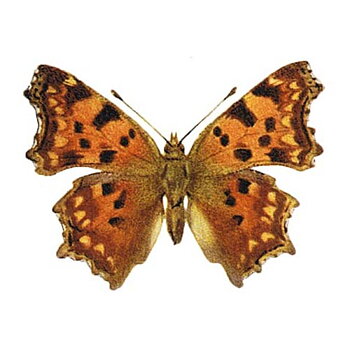
If you want to make your garden appreciated by butterflies you should get host plants for the butterfly larvae and flowers rich on nectar for the adult butterflies. Host means that the plant is necessary for the butterflies’ reproduction cycle. Stinging nettles are an example of important host plants for some of our most beautiful and common butterflies, namely the red admiral, the small tortoiseshell, the peacock, the painted lady and the comma.Access to shelter, food and water during the entire season is what separates a good butterfly biotope from a bad one, and there are numerous common bushes and flowers that are well suited. The orange eye butterfly bush (Buddleia davidi), the bush with the purple inflorescence, is very attractive for butterflies during most of the summer. Butterflies like heat and shelter from wind. Hedges, fences, buildings and banks make for protection against the wind. Plant a protective hedge of hawthorn, lilac, blackthorn, mock-orange, hazel or elm.