

Comma
€0
The Comma is one of the butterfly species that is most increasing in numbers, particularly in Scandinavia.
- Free delivery for purchases over 60€ with DHL Parcel Connect
- Delivery within 3-5 working days
- 14 day return policy
- Customer services open weekdays 8:30-17:00 | +46 (0)431 76800 | info@wildlifegarden.se
- 20 years' expertise in designing, producing and delivering artisanal homeware.
- Latin name:Polygonia c-album
Description
Did you know that
The Comma is one of the butterfly species that is most increasing in numbers, particularly in Scandinavia. It is called ”Comma” thanks to the white spot resembling a comma sign on the underside of the wings.
Back to Butterfly School
The Comma is one of the butterfly species that is most increasing in numbers, particularly in Scandinavia. It is called ”Comma” thanks to the white spot resembling a comma sign on the underside of the wings.
Geographical distribution
The Comma suffered a decline in numbers during the 20th century, but there was a turnaround and the species can now be spotted throughout most of Europe and Asia as well as parts of North America.Appearance
The edges of this butterfly’s wings have a ragged appearance. The upper side of the wings is speckled in orange and brown while the underside is a greyish brown. When the wings are closed, the colour provides excellent camouflage against the trunk of a tree or among old leaves.Similar butterflies
The Comma is similar to the Small Tortoiseshell but can be distinguished by a dark frame around the edge of the wings.Life cycle
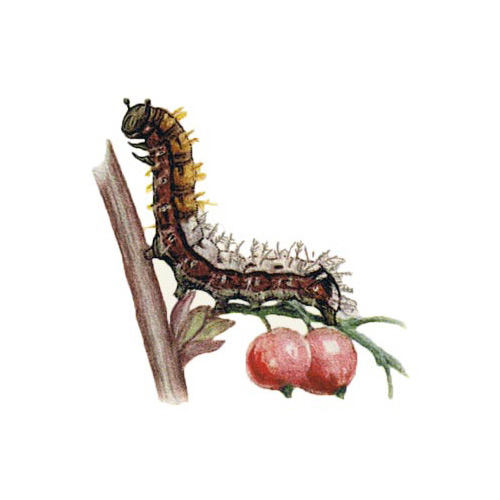
The male sets up a territory and keeps a watch over trespassers. After short flights, he always comes back to the same spot. The female can lay up to 275 eggs at a time. She spreads them out on leaves where they remain until they hatch about 2-3 weeks later. The larvae feed on the leaf where they were born for about five weeks before becoming pupae. The pupae look rather like a dried leaf and they become butterflies about two weeks later. As winter approaches, the Coma finds nourishment in nettles, currant bushes and hops to build u pits energy reserves for the winter.Back to Butterfly School