
Brambling
€0
The brambling will spend summers in the coniferous woods of the north of Europe, but as the autumn approaches large flocks may be sighted in the UK where the bramblings feast on beech acorns.
- Free delivery for purchases over 60€ with DHL Parcel Connect
- Delivery within 3-5 working days
- 14 day return policy
- Customer services open weekdays 8:30-17:00 | +46 (0)431 76800 | info@wildlifegarden.se
- 20 years' expertise in designing, producing and delivering artisanal homeware.
- Maximum age:14 years
- Eggs and clutches:Incubation two weeks. 5 - 7 eggs
- Latin name:Fringilla montifringilla
Description
The brambling will spend summers in the coniferous woods of the north of Europe, but as the autumn approaches large flocks may be sighted in the UK where the bramblings feast on beech acorns. They will come to the tables together with other finches.
Appearance
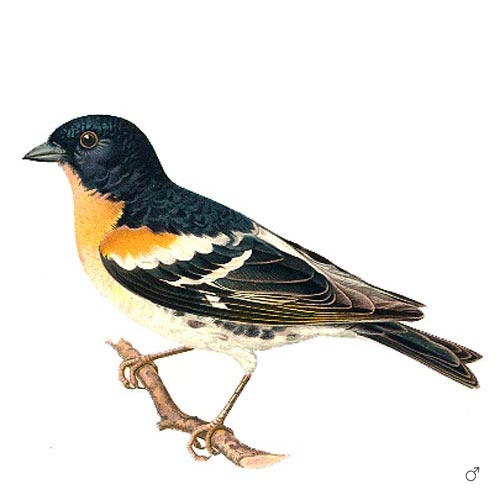
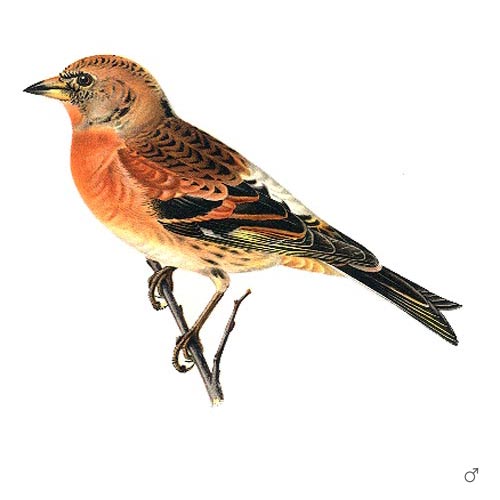
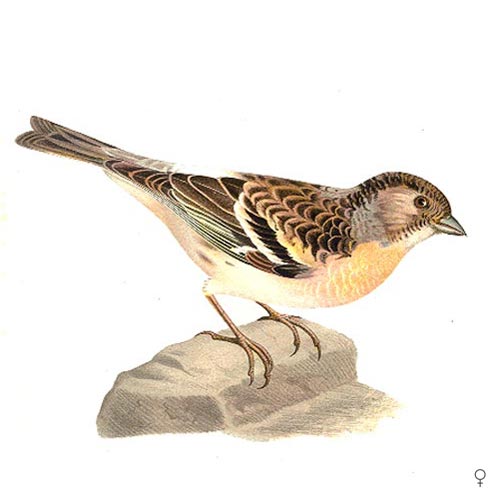
Similar to the chaffinch, but with a slightly different plumage. In the summer the male is black and white with an orange breast, but during all other seasons he is, like the female, greyer. The white belly is this species’ special mark.Similar birds
Similar to the chaffinch apart from its white belly.Sounds and song
The song is rather monotonous and not at all in the chaffinches league.| Song | Contact Call |
Food and bird tables
Will visit the bird table occasionally. Insect- and spider eater. Prefers a diet of seeds, preferably beech acorns but also sunflower seeds. Will also eat insects and their larvae, especially in its early years as it is fed by its parents.The nest and hollows
The brambling builds its nest from bark, moss and grass and lines it with feathers or hair. The nest is placed on the forked branch of a fir, beech, pine or alder, or alternatively in a shrub.Distribution
 Summer Summer Resident Resident Winter Winter | 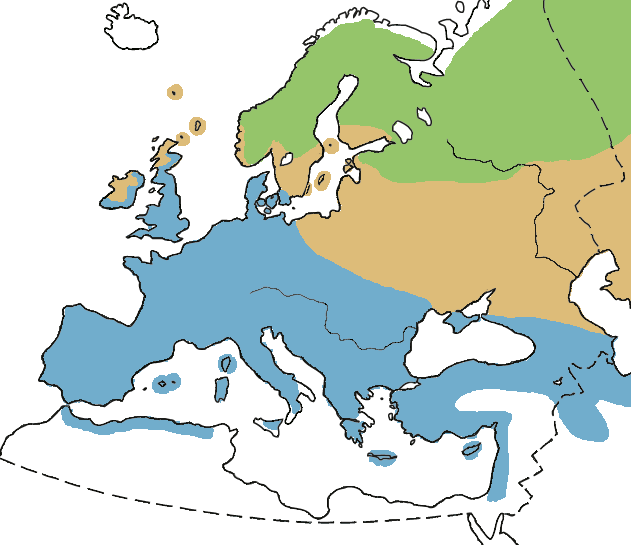 |