This website uses cookies
We use cookies to personalise content and ads, to provide social media features and to analyse our traffic. We also share information about your use of our site with our social media, advertising and analytics partners who may combine it with other information that you’ve provided to them or that they’ve collected from your use of their services.
Consent Selection
Details
- Necessary cookies help make a website usable by enabling basic functions like page navigation and access to secure areas of the website. The website cannot function properly without these cookies.
- Cookiebot1Learn more about this provider
 CookieConsentStores the user's cookie consent state for the current domain
 - Google1Learn more about this provider
Some of the data collected by this provider is for the purposes of personalization and measuring advertising effectiveness. The provider may use the IP Addresses for ads measurement and ads personalization.
test_cookieUsed to check if the user's browser supports cookies. - themes.abicart.com2twsCore.visitedUsed by the Abicart theme to track whether a visitor has visited the site before, to support theme functionality.tws-modal-htmlUsed by the Abicart theme to store modal content state, to support theme functionality.
- www.wildlifegarden.com3APISERVERManages session routing between the user and the webshop’s API server during the visit, helping the site function smoothly (e.g., directing requests to the correct server).SERVERIDThis cookie is used to assign the visitor to a specific server - this function is necessary for the functionality of the website.theme_idStores the current theme identifier so the webshop can load and display the correct site theme during the session (primarily used for theme preview/selection).
- Cookiebot
- Preference cookies enable a website to remember information that changes the way the website behaves or looks, like your preferred language or the region that you are in.
- themes.abicart.com2twsCore.pendingShipmentCountryStores the visitor’s selected shipping country so the webshop can display the correct prices/VAT and keep the same setting if the page is refreshed during the session.diversity_webshop_languageStores the user’s preferred webshop language (e.g., “en”) so the site can display content in the selected language on subsequent pages/visits.
- themes.abicart.com
- Statistic cookies help website owners to understand how visitors interact with websites by collecting and reporting information anonymously.
- Google2Learn more about this provider
Some of the data collected by this provider is for the purposes of personalization and measuring advertising effectiveness. The provider may use the IP Addresses for ads measurement and ads personalization.
_gaUsed to send data to Google Analytics about the visitor's device and behavior. Tracks the visitor across devices and marketing channels._ga_#Used to send data to Google Analytics about the visitor's device and behavior. Tracks the visitor across devices and marketing channels.
- Google
- Marketing cookies are used to track visitors across websites. The intention is to display ads that are relevant and engaging for the individual user and thereby more valuable for publishers and third party advertisers.
- Meta Platforms, Inc.3Learn more about this providerlastExternalReferrerDetects how the user reached the website by registering their last URL-address.lastExternalReferrerTimeDetects how the user reached the website by registering their last URL-address._fbpUsed by Facebook to deliver a series of advertisement products such as real time bidding from third party advertisers.
- Google4Learn more about this provider
Some of the data collected by this provider is for the purposes of personalization and measuring advertising effectiveness. The provider may use the IP Addresses for ads measurement and ads personalization.
NIDRegisters a unique ID that identifies a returning user's device. The ID is used for targeted ads.pagead/1p-user-list/#Tracks if the user has shown interest in specific products or events across multiple websites and detects how the user navigates between sites. This is used for measurement of advertisement efforts and facilitates payment of referral-fees between websites._gcl_auUsed to measure the efficiency of the website’s advertisement efforts, by collecting data on the conversion rate of the website’s ads across multiple websites._gcl_lsTracks the conversion rate between the user and the advertisement banners on the website - This serves to optimise the relevance of the advertisements on the website. - LinkedIn4Learn more about this provider__cf_bmThis cookie is used to distinguish between humans and bots. This is beneficial for the website, in order to make valid reports on the use of their website.bcookieUsed in order to detect spam and improve the website's security.li_gcStores the user's cookie consent state for the current domainlidcRegisters which server-cluster is serving the visitor. This is used in context with load balancing, in order to optimize user experience.
- YouTube6Learn more about this provider__Secure-ROLLOUT_TOKENUsed by YouTube/Google to manage the phased rollout and testing of new features (A/B experiments), ensuring a consistent experience for the user and enabling measurement of feature impact.__Secure-YNIDUsed to track user’s interaction with embedded content.LAST_RESULT_ENTRY_KEYUsed to track user’s interaction with embedded content.TESTCOOKIESENABLEDUsed to track user’s interaction with embedded content.VISITOR_INFO1_LIVEUsed by YouTube to store information about the viewer’s interaction with embedded videos and to support features such as personalised recommendations and advertising.YSCRegisters a unique ID to keep statistics of what videos from YouTube the user has seen.
- themes.abicart.com6__Secure-YECStores the user's video player preferences using embedded YouTube videoLogsDatabaseV2:V#||LogsRequestsStoreUsed to track user’s interaction with embedded content.ServiceWorkerLogsDatabase#SWHealthLogNecessary for the implementation and functionality of YouTube video-content on the website.yt-icons-last-purgedStores a timestamp of when YouTube last refreshed/cleared icon assets for the embedded video player, to help load the player interface correctly and efficiently.ytidb::LAST_RESULT_ENTRY_KEYUsed to track user’s interaction with embedded content.YtIdbMeta#databasesUsed to track user’s interaction with embedded content.
- Meta Platforms, Inc.
- Unclassified cookies are cookies that we are in the process of classifying, together with the providers of individual cookies.
We do not use cookies of this type.
[#IABV2_TITLE#]
[#IABV2_BODY_INTRO#][#IABV2_BODY_LEGITIMATE_INTEREST_INTRO#]
[#IABV2_BODY_PREFERENCE_INTRO#]
[#IABV2_BODY_PURPOSES_INTRO#]
[#IABV2_BODY_PURPOSES#]
[#IABV2_BODY_FEATURES_INTRO#]
[#IABV2_BODY_FEATURES#]
[#IABV2_BODY_PARTNERS_INTRO#]
[#IABV2_BODY_PARTNERS#]
About
Cookies are small text files that can be used by websites to make a user's experience more efficient.
The law states that we can store cookies on your device if they are strictly necessary for the operation of this site. For all other types of cookies we need your permission.
This site uses different types of cookies. Some cookies are placed by third party services that appear on our pages.
You can at any time change or withdraw your consent from the Cookie Declaration on our website.
Learn more about who we are, how you can contact us and how we process personal data in our Privacy Policy.
Please state your consent ID and date when you contact us regarding your consent.
The law states that we can store cookies on your device if they are strictly necessary for the operation of this site. For all other types of cookies we need your permission.
This site uses different types of cookies. Some cookies are placed by third party services that appear on our pages.
You can at any time change or withdraw your consent from the Cookie Declaration on our website.
Learn more about who we are, how you can contact us and how we process personal data in our Privacy Policy.
Please state your consent ID and date when you contact us regarding your consent.

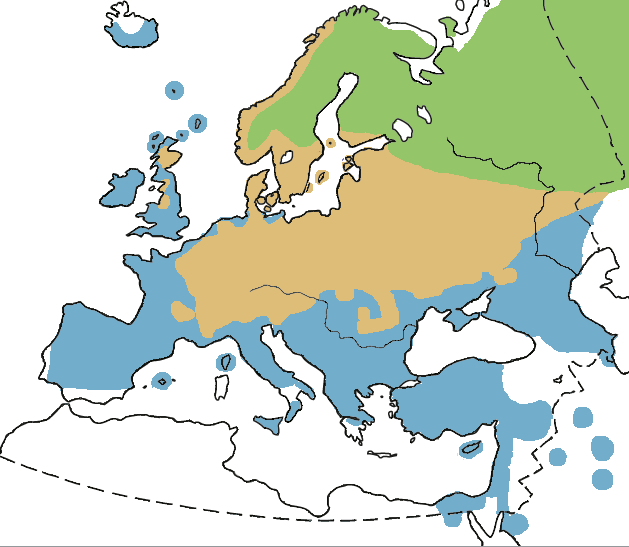
 Summer
 Resident
 Winter