20 years' expertise in designing, producing and delivering artisanal homeware.
Maximum age:12 years
Eggs and clutches:Incubation 10-13 days. 4 - 7 eggs
Latin name:Dendrocopos major
Description
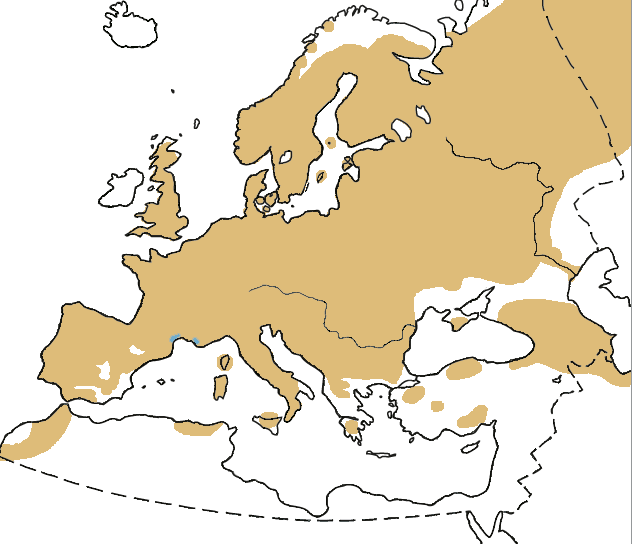
Whenever the cone harvest goes wrong, the greater spotted woodpecker can make trips to unusual places such as meadows out by the coast. Some birds leave the country and find their way as far south as southern Europe.
Appearance
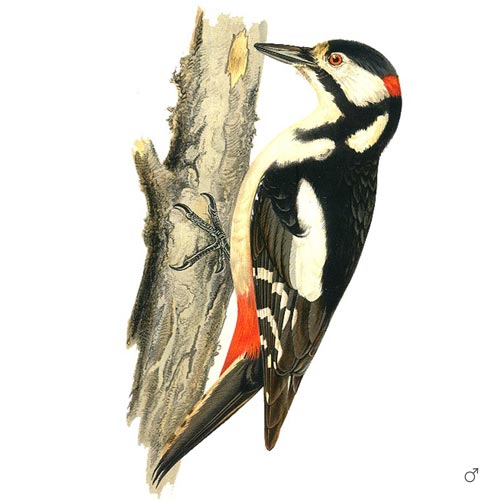
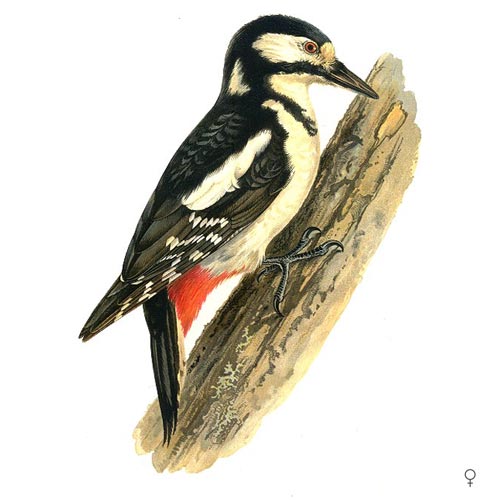
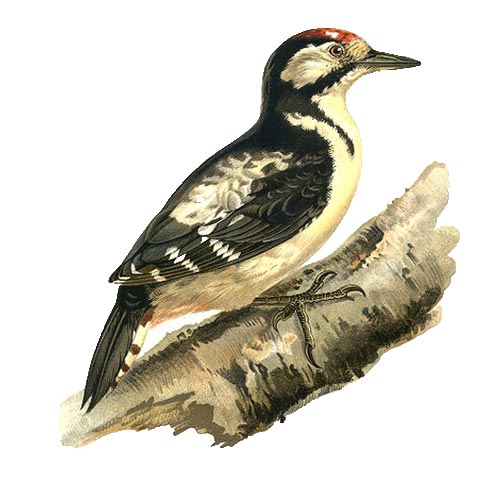
Black and white woodpecker with a red spot on its neck. The female lacks this spot.
Similar bird
Black and white with a bright red belly. The lesser woodpecker has a crosswise striped back, the greater woodpecker has two rectangular white shoulder spots.
Sounds and song
Has a laughing sound, and the call is a short tchicc.
Contact Call
Warning Call
Pecking
Food and bird tables
Will frequent the bird table from time to time. It can eat everything from seeds to bird chicks if it gets the chance. Pine and fir seeds are popular, but it will also peck out wood-dwelling insects. Likes to visit the bird table if peanuts are offered.
The nest and hollows
Both the male and female peck out a hollow in a tree, usually three to five metres above ground.

 Summer
 Resident
 Winter