
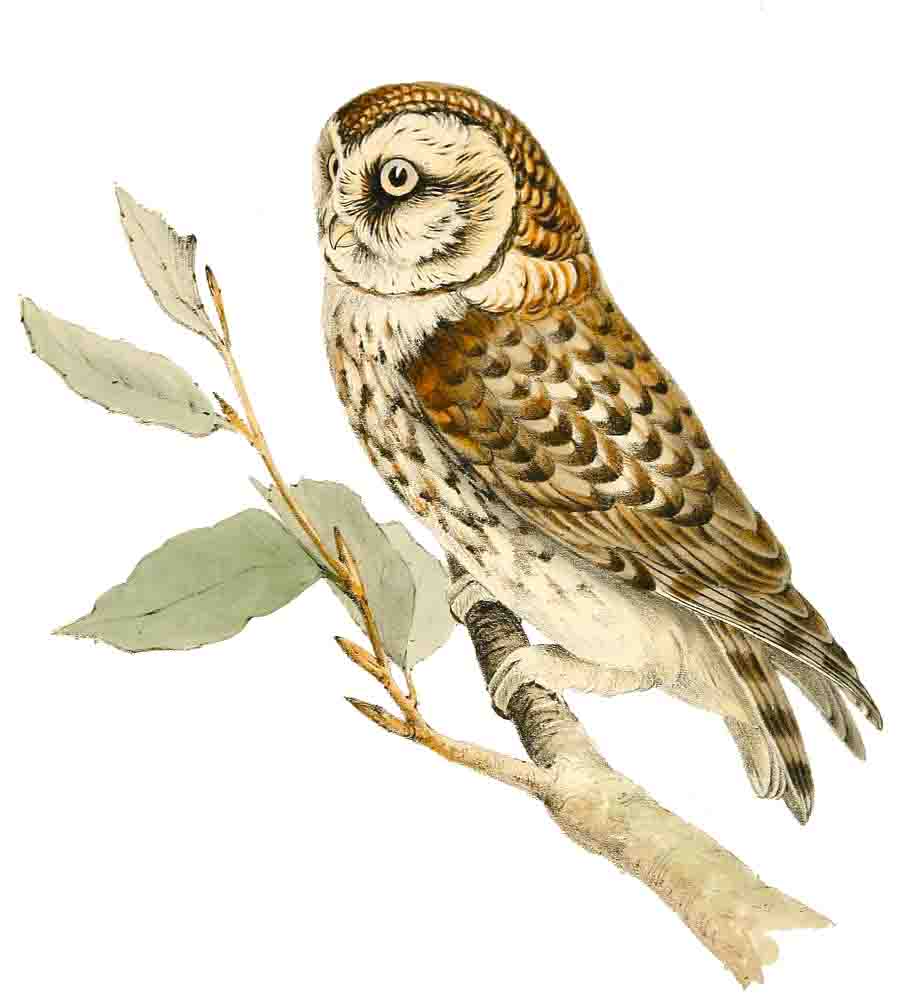
Little Owl
- Free delivery for purchases over 60€ with DHL Parcel Connect
- Delivery within 3-5 working days
- 14 day return policy
- Customer services open weekdays 8:30-17:00 | +46 (0)431 76800 | info@wildlifegarden.se
- 20 years' expertise in designing, producing and delivering artisanal homeware.
- PopulationThe adult population is estimated at between 5 and 10 million individuals. It is not considered endangered.
- Maximum age:13-16 years
- Eggs and clutches:3-4 eggs in a clutch.
- Latin name:Athene noctua
Description
Description:
Little owls, similar in size to thrushes (20–26 centimetres long), are active during the day and easy to spot. If they are upset, they rock their legs up and down. In folklore, they are often associated with Minerva or Athena, the Roman and Greek goddesses of wisdom and the art of war.
Appearance:
The little owl is compact, with a broad and flat head. Strong white lines over its eyes give it a grim expression. It flies in bows like a woodpecker. Its plumage is brown, with white spots on the head and sides.
Similar bird:
The Eurasian pygmy owl is quite similar in colour but significantly smaller. It is the most common little owl in northern Europe, where you cannot expect a little owl.
Sounds and songs:
A repeated plaintiff lure is what you hear most often.
Diet:
Insects, beetles, worms, rodents and small birds are the food of the little owl. It stores food to eat later.
Nest:
The little owl sets up the nest in a cavity in a tree or building. It can also nest in a purpose-built burrow with an entrance tunnel to keep out daylight. It lives in fairly open agricultural landscapes with groves and shrubbery; it is found in desert-like landscapes in northern Africa.
Geographic range:
The little owl lives and breeds throughout Europe and northern Africa, except in the Nordic countries.
 Summer Summer Resident Resident Winter Winter | 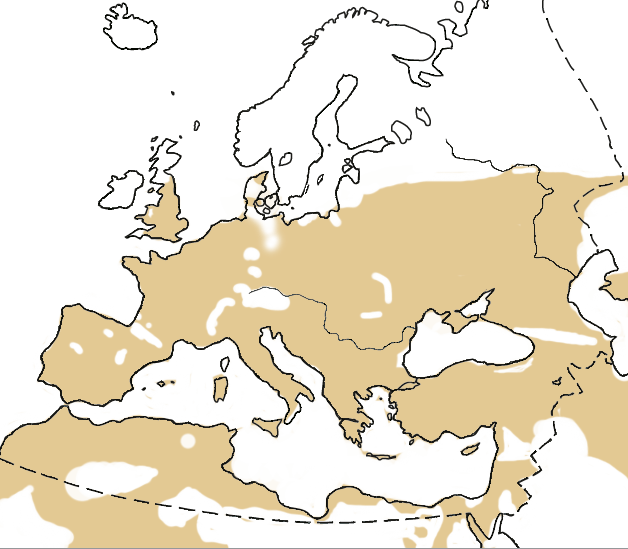 |