
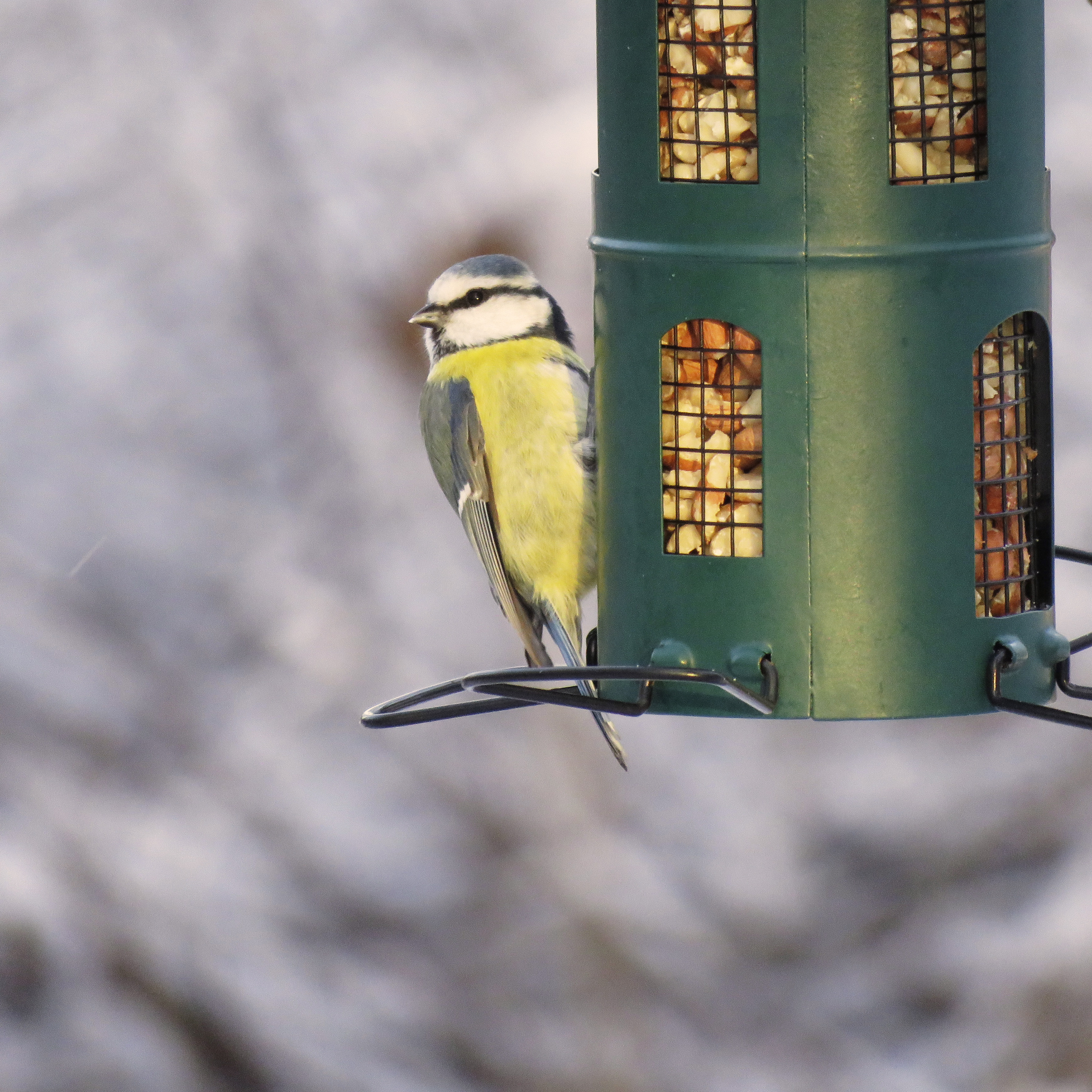
What do birds eat?
- Free delivery for purchases over 60€ with DHL Parcel Connect
- Delivery within 3-5 working days
- 14 day return policy
- Customer services open weekdays 8:30-17:00 | +46 (0)431 76800 | info@wildlifegarden.se
- 20 years' expertise in designing, producing and delivering artisanal homeware.
Description
Bird Feeding in Autumn and Winter
As natural food becomes harder to find, many garden birds benefit from additional feeding. Different species are drawn to different foods, and offering a varied selection can help support a wider range of birds through the colder months.
Bird seed mixes are widely available and form a good base. You can occasionally add small amounts of suitable fresh food, such as fruit or unsalted crumbs. It’s best to avoid anything salty, heavily processed, or no longer fresh.
Three Simple Steps to Support Garden Birds
A few small habits can make feeding more effective—and safer—for the birds that visit your garden:
-
Feed When Food Is Naturally Scarce
Focus on autumn and winter, especially during cold spells, frost, or snow, when birds need extra energy.
-
Keep Feeding Areas Clean
Refresh food regularly, avoid build-up on the ground, and clean feeders regularly to reduce the risk of disease and unwanted visitors.
-
Choose the Right Food—and Keep It Consistent
Offer energy-rich options such as sunflower seeds and fats, along with fresh water. Once you begin feeding, try to keep it going through the colder period.
Not All Bird Seed Is the Same
There is a noticeable difference in quality between seed mixes. Some are filled out with ingredients that many small birds simply leave behind, such as dried beans, rice, lentils, or split peas.
Oats are included in some mixes and are taken by certain species, but they are less energy-rich and often left uneaten. They can also create more husks around the feeding area.
If you’re choosing a mix, look for one with a high proportion of sunflower seeds and hemp seeds. These provide valuable energy during colder weather. Pure sunflower seeds are often a reliable and effective option on their own.
Water Is Just as Important
Alongside food, fresh water plays an important role. During colder periods, natural water sources may be limited or frozen. A shallow dish of clean water, refreshed regularly, can attract a surprising number of birds.
A Clean Feeding Area
A feeding spot quickly becomes a lively place, and with that comes some mess. Clearing away uneaten food and occasionally moving feeding areas can help keep things fresh and reduce the risk of disease spreading between birds.
Regular cleaning of feeders is just as important. If you’d like a simple step-by-step guide, you can read more about how to clean your bird feeder.
What Different Birds Enjoy
Offering a mix of foods can attract a greater variety of species. Here are some commonly used foods and the birds they tend to attract:
- Sunflower Seeds
A favourite of many garden birds, including greenfinch, great tit, nuthatch, bullfinch, and hawfinch. Black sunflower seeds are especially rich in oil and well suited to colder weather.
- Hemp Seeds
Popular with finches and sparrows, including greenfinch, chaffinch, brambling, house sparrow, and tree sparrow, as well as tits and bullfinches.
- Small Seeds (Millet, Wild Seeds, Linseed)
These attract smaller birds such as sparrows, finches, goldfinches, and dunnocks.
- Suet and Other Fats
Particularly valuable during cold spells. Favoured by insect-eating birds such as tits, goldcrests, treecreepers, robins, and woodpeckers.
- Oats, Breadcrumbs, Cooked Unsalted Rice
Taken by species such as house sparrow and yellowhammer, though best offered in moderation.
- Fruit (Apples, Pears, Bananas, Rowan Berries, Whitebeam Berries)
Enjoyed by blackbirds, starlings, blackcaps, robins, and waxwings, especially in winter.
- Wild Bird Seed Mixes and Linseed
Used by a wide range of species, including sparrows, finches, redpolls, siskins, and dunnocks.
- Beech Nuts
Suitable for species such as chaffinch, brambling, and nuthatch.
- Wheat and Barley
Often included in lower-quality mixes but mainly eaten by larger birds such as pigeons and pheasants. These species can dominate feeding areas, so these grains are often best avoided.
- Peanuts (in Mesh Feeders)
A high-energy food enjoyed by greenfinches, tits, sparrows, nuthatches, green woodpeckers, and siskins. Always offer unsalted, unroasted peanuts in appropriate feeders and ensure they are sourced from a specialist supplier.
Providing food and water during autumn and winter is a simple way to support birdlife. It also creates a closer connection to the changing seasons, as familiar visitors return and new species occasionally appear.